Proven Ecommerce SEO Strategies for Your Business
To drive more traffic, increase sales, and boost conversions, here are the most effective ecommerce SEO strategies every online store should implement to grow.
1. Fix Technical SEO Issues That Hurt Your Rankings
Before you focus on adding keywords or building backlinks, you must ensure your site is technically sound. A slow, confusing, or broken ecommerce website is a red flag to both users and search engines.
Run a Technical Audit
Use tools like Semrush Site Audit, Screaming Frog, or Ahrefs to scan your entire website for SEO issues. These tools break down problems by categories like:
- Crawlability
- HTTPS status
- Core Web Vitals
- Site architecture
You will receive a list of errors, warnings, and notices, along with explanations and recommendations on how to resolve each one.
Common Ecommerce SEO Issues & Fixes
- Too Many Pages
Only large ecommerce stores often suffer from bloated URLs, filter-generated pages, or product variations that dilute SEO value.
How to fix:
- Identify low-performing pages using tools like Google Analytics and Shopify dashboards.
- Delete, no index, or consolidate thin or duplicate webpages.
- Focus on the 20% of products that drive 80% of your sales.
2. Duplicate Content
With similar product descriptions, duplicate content is common and damaging to your site’s performance.
How to fix:
- Apply rel=canonical tags to preferred pages.
- Use the ‘no index’ tag on filter or pagination URLs.
- Write unique product descriptions, especially for high-value items.
- Avoid using boilerplate text across multiple pages.
3. Thin Content
Thin content (under 250 words) offers minimal SEO value and fails to provide customers with the helpful information they need.
How to fix:
- Create in-depth descriptions and guides for key pages, aiming for a minimum of 1,000 words.
- Utilize content templates to expedite the writing process.
- Add customer reviews and FAQs to address user queries related to your product.
4. Site Speed
Page speed affects both the user experience and SEO performance of an e-commerce website.
How to fix:
- Upgrade your hosting plan (minimum £40–£50 per month).
- Use a Content Delivery Network (CDN).
- Compress and optimise product images.
- Minimise JavaScript and CSS bloat.
2. Create Category Pages Optimized for Rankings
Most e-commerce traffic originates from category pages, rather than individual products. These pages should target buyer-intent keywords, such as “affordable garden furniture” or “organic baby clothes.”
How to Optimize Category Pages:
- Include a brief, keyword-rich intro paragraph at the top of each category.
- Add internal links to key products and related categories.
- Use H2 subheadings to break up content for readability.
- Incorporate LSI keywords (related terms) naturally in your copy.
- Don’t forget meta titles and descriptions tailored for each page.
3. Use Content Marketing to Drive Targeted Traffic
Content marketing is one of the most effective ways to attract and engage potential customers, particularly those who are still in the research phase.
Step-by-Step Content Strategy
Step 1: Discover Where Your Audience Hangs Out
Identify active Reddit, Quora, and Facebook communities related to your niche. Monitor discussions to understand customer pain points.
Step 2: Learn Their Language
Pay attention to the phrases, keywords, and questions your target audience uses. These are keywords or phrases for future blog posts and guides.
Step 3: Create High-Quality Content
Use the Skyscraper Technique to outperform existing content. Enhance your piece by making it longer, more detailed, and visually appealing. Focus on:
- In-depth guides
- Comparison posts
- Problem-solving articles
For example, if you sell kitchenware, write a blog post titled “The Ultimate Guide to Choosing the Right Chef’s Knife.”
Step 4: Encourage User-Generated Content (UGC)
UGC adds credibility and improves dwell time, both of which are positive ranking signals.
How to use UGC:
- Embed video reviews on product pages
- Add image carousels with customer photos
- Include testimonials and ratings
- Optimize UGC with keywords in file names and alt text
4. Build High-Quality Backlinks That Boost Authority
Without backlinks, your e-commerce site will struggle to rank, regardless of the quality of your content.
Link Building Strategy 1
This method involves finding outdated or broken pages and offering your page as a replacement.
Steps:
- Find expired domains or discontinued products in your niche.
- Use tools like Ahrefs to find all sites linking to those outdated resources.
- Send an email to the website owners, suggesting your page as a better option
Result: You gain powerful, relevant backlinks from industry blogs and directories.
Link Building Strategy 2
Utilize niche or industry-specific Facebook groups or communities to discover event opportunities.
Steps:
- For efficient local SEO, look for online events in your area that feature product showcases.
- Offer your products for free in exchange for exposure or a backlink.
- Follow up with organisers to ensure your site is credited and linked.
Real Example: A wedding ecommerce store sent free groomsmen gifts to bridal events and got featured on a DA77 domain with a juicy backlink.
5. Optimize for Mobile and Core Web Vitals
Google prioritizes mobile-first indexing and performance metrics, such as Largest Contentful Paint (LCP) and Cumulative Layout Shift (CLS).
How to Improve Core Web Vitals:
- Use a responsive design that adapts to all screen sizes.
- Minimize layout shifts by reserving space for images and ads.
- Load important elements first, especially above the fold.
- Test your performance using Google PageSpeed Insights or Lighthouse.
6. Focus on Ecommerce Keyword Research
Targeting the right keywords makes all the difference. Use tools like Ubersuggest, SEMrush, and Google Keyword Planner to discover:
- Transactional keywords (e.g., “buy running shoes UK”)
- Informational keywords for blog content (e.g., “best shoes for marathon training”)
- Long-tail keywords with low competition but high intent
Organise your keywords by category, page, and funnel stage to map them effectively across your site.
How to Track Your Ecommerce SEO Performance
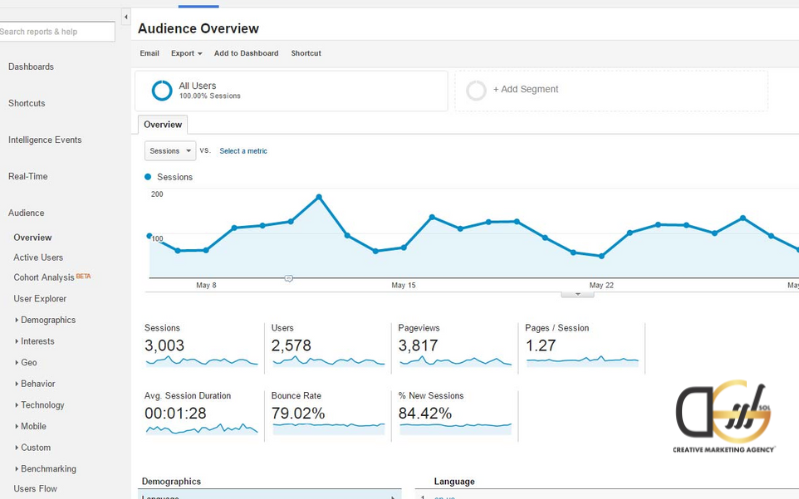
Tracking performance is crucial to identify what’s working and where to make improvements. Without measurement, you are just guessing, so it is critical to use tools to determine its performance.
Tools to Use
- Google Analytics 4 (GA4): Tracks user behavior, conversions, bounce rate, and traffic sources.
- Google Search Console: Monitors keyword rankings, CTRs, indexing issues, and site coverage.
- Semrush, Ahrefs, and Ubersuggest: Analyze keyword movements, backlinks, and competitor performance.
- Hotjar: Visualize user experience with heatmaps and recordings.
Key Metrics to Monitor
- Organic traffic growth
- Keyword ranking changes
- Conversion rate from organic traffic
- Bounce rate and time on page
- Backlink acquisition and authority score
Pro Tip: Set up custom dashboards in GA4 and schedule monthly SEO reports to monitor progress.
Top Ecommerce SEO Tools to Boost Your Rankings
Here are the e-commerce tools that can dramatically improve your SEO workflow and results.
Must-Have SEO Tools:
| Tool | Purpose | Free Version |
| Semrush | Keyword research, backlink audit, site audit | Free version |
| Ahrefs | Competitor analysis, keyword explorer | Limited version |
| Ubersuggest | Affordable keyword & content research | Free version |
| Screaming Frog | In-depth technical audits | Free version (Up to 500 URLs) |
| Google Search Console | SEO performance tracking | Free version |
| PageSpeed Insights | Site speed and Core Web Vitals | Free version |
| Hotjar | UX behavior analytics | Free version |
Use a combination of these tools to cover all bases from keyword research and content planning to technical SEO audits and backlink analysis.
Grow Your Ecommerce Traffic Today
Implementing these six proven ecommerce SEO strategies will set your store up for long-term success. Start with technical improvements, optimize key pages, and build a content and link-building engine that fuels organic growth.
At DGSOL digital marketing agency UK, we specialize in ecommerce SEO that delivers real results. Whether you’re just getting started or need a full audit and strategy, we’re here to help.
Frequently Asked Questions
Q1: How long does ecommerce SEO take to show results?
SEO is a long-term strategy. You can expect to see measurable results within 3–6 months, depending on the condition of your site and the level of competition.
Q2: Should I optimize every product page?
Not always, only focus on high-performing products first, and consider non-indexed low-value pages to avoid spreading your SEO efforts too thin.
Q3: Is content marketing really necessary for ecommerce?
Yes. Content helps attract top-of-funnel visitors, builds backlinks, and improves brand authority, all of which benefit product rankings.
Q4: How do I track my ecommerce SEO performance?
Use Google Analytics, Search Console, and tools like Ahrefs or SEMrush to monitor traffic, keyword rankings, and technical health.
Q5: What’s the most important ecommerce SEO factor?
There is not just one. It combines site architecture, keyword optimization, content quality, technical performance, and backlinks.