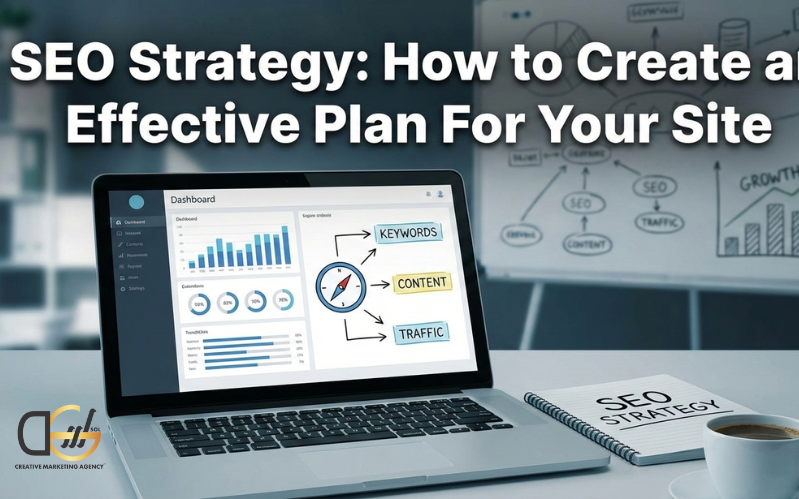
What Is an SEO Strategy?
It is a comprehensive practice that is designed to improve a website’s visibility in search engine results pages (SERPs). It encompasses various techniques, including keyword research, on-page optimization, technical SEO, and link building. These strategies aim to enhance user experience and increase organic traffic and search engine position.
A Complete Roadmap of SEO Practices to Get Top Ranking
Whether you are running a blog, an e-commerce store, or a service-based website, your SEO checklist should be clear, goal-focused, and well-structured.
1. Start With Keyword Research
Every good SEO plan begins with understanding what your audience is searching for. Always use tools like Google Autocomplete, Semrush, or Ubersuggest to find keywords related to your business. You may focus on a mix of head terms and long-tail keywords, as long-tail keywords (e.g., “best indoor plants for low light”) tend to attract more qualified visitors and face less competition. After finding the relevant keyword, make a list of keywords based on relevance, search volume, and difficulty. These keywords make your content more relevant, attract traffic, and capture user attention.
2. Analyze the Top Search Results
Once you have picked your target keyword, look at the top-ranking webpages for that keyword. Type your keyword on Google and analyze the first-page results on these indicators:
- What type of content ranks (blog, listicle, product page)?
- How long is the content?
- Are there images, videos, or charts?
This helps you understand what Google considers valuable content for that keyword, giving you a complete SEO strategy to get a higher ranking.
3. Find Your Real SEO Competitors
Use SEO tools to identify websites that rank for your target keywords. These are your actual SEO competitors (not necessarily your business competitors). Identify their content structure, on-page SEO, and backlink profiles. Look for:
- The topics they choose for websites
- How do they optimize headings and meta tags
- What types of sites link to them
Knowing who you’re against can help you create the best content for your website.

4. Offer Something New or Unique
Your objective should be to produce content that offers unique value or surpasses existing resources in quality and depth. Differentiating your content through comprehensive guides, innovative perspectives, or enhanced user experience increases its appeal and shareability. Still, ensure you are offering more value than what’s already available. You can:
- Create a more in-depth guide
- Use updated statistics and information
- Add visuals, examples, or expert insights
If your content brings something better, you have a stronger chance of outranking competitors.
5. Incorporate Linkable Content Elements
When your content offers something unique or valuable, it naturally attracts backlinks, an important SEO ranking factor. Incorporate elements that encourage other websites to link to your content. This could include original research, compelling visuals, or unique insights. Add “hooks” like:
- Authentic research or data
- Expert quotes
- Infographics or visual data
- Detailed case studies
Providing valuable resources increases the likelihood of earning backlinks, which are crucial for SEO success.
6. Focus on On-Page SEO
Your content should not only be valuable, but it must also be optimized for search engines. Here are three key on-page strategies:
- Use Internal Links:
Make sure you use internal linking to related pages on your website to help users and search engines navigate your content.
- Create Clean, Keyword-Enriched URLs:
Example: /seo-strategy-guide instead of /article?id=1234.
- Use Related Terms (Semantic phrases):
Include variations and closely related keywords naturally within your content to help Google understand the topic better.
7. Match the Search Intent
Google ranks your webpages based on how well they satisfy search intent. If someone types “how to do SEO internal linking,” they want a guide, not a product page. Make sure your content delivers what the user is actually looking for. Focus on:
- Informational content for “how-to” or “what is” queries
- Product pages for “buy” or “best” searches
- Landing pages for branded or navigational terms
Aligning your content with intent improves engagement and rankings.
8. Design Content That’s Easy to Read and Informative
Good content is not just about words, but also about how they are presented. That is why it is essential to design the best content structure for your blog posts to be:
- Visually appealing with a clean format structure
- Easy to scan using subheadings and short paragraphs
- Enriched with images, screenshots, graphs, or custom banners
A user-friendly design keeps people on your webpage longer and reduces bounce rates, which are important for SEO.
9. Earn High-Quality Backlinks
Getting backlinks from reputable websites signals trust and authority to search engines. Quality backlinks strengthen your SEO strategy and enhance domain authority. Here are a few proven link-building strategies:
- Broken Link Building: Find broken links on other sites and suggest your content as a replacement.
- Competitor Link Analysis: Use these tools, like Ahrefs, to see who links to your competitors and reach out with your content.
- The Evangelist Method: Build relationships with influencers and creators and regularly share great content on their social media to increase their influence.
10. Keep Your Content Fresh and Updated
SEO is a long-term task as algorithms change, and so does your audience’s behavior. To maintain your site’s performance, you need to update your top-performing posts every few months by:
- Refreshing stats and facts
- Adding new tips or resources
- Rewriting outdated sections
- Improving meta titles and descriptions
Updating content keeps it relevant and helps maintain or improve its search ranking.
Final Thoughts
A strong SEO strategy does not need to be complicated, but it must be thoughtful, user-centered, and consistent. By following these 10 steps: starting with keyword research and ending with regular updates, you can build a robust optimization foundation that boosts visibility and drives sustainable traffic.
Start improving your site ranking with DGSOL digital marketing agency services. Let us help you create a powerful SEO plan for 2025 that drives traffic, builds authority, and fuels business growth.