Why Choosing the Best Social Media Platform Matters
Social media is not a one-size-fits-all solution for business. Each platform has a specific audience, type of content, and communication style. When you select the right platforms, you can do:
- Connect directly with your target audience
- Build stronger brand awareness and click
- Increase organic traffic to your website
- Generate high-quality leads and conversions
- Improve customer service and engagement
Choosing the wrong platform, however, can waste time and resources, posting content that never reaches the people who matter to them.
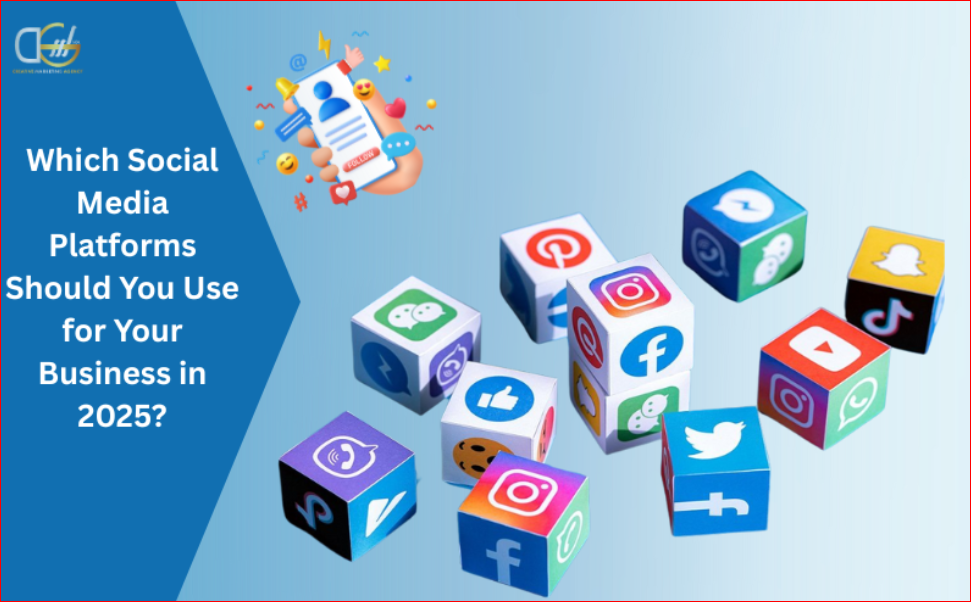
Top Social Media Platforms for Business in 2026
Here are the most influential digital marketing strategies for social platforms, and what they offer:
1. Instagram
Instagram thrives on aesthetic businesses such as fashion, beauty, fitness, food, lifestyle, and influencer-driven brands. With tools like Reels, Stories, and Instagram Shopping, companies can engage Gen Z and Millennials—Instagram is where they scroll.
- Show off their products visually so people can interact easily
- Share behind-the-scenes content to communicate with
- Collaborate with influencers to reach out to your potential customers
- Use trending hashtags for organic reach
2. Pinterest
Pinterest is less about followers and more about discovery. It is a goldmine if your brand is visually inspiring. Users come here ready to buy, making it ideal for brands in home decor, fashion, DIY, food, and event planning.
- Product-based businesses
- Driving high-converting traffic
- Sharing infographics and visual content
- Seasonal marketing strategies
3. LinkedIn
LinkedIn is not just a job-hunting site; it has evolved into the premier platform for thought leadership and B2B marketing. It is particularly suitable for B2B companies, tech businesses, consulting services, and recruitment agencies. It helps businesses:
- Build professional networks and communication
- Share insights, experience, and business updates
- Generate high-quality B2B leads
- Recruit skilled professionals for their services.
4. YouTube
YouTube has become the second-largest search engine with over 2.5 billion users, after Google. It is best suited for businesses that can create tutorials, product demos, vlogs, or industry-specific content. Video content is the future; if you can create it, YouTube is the ideal platform for showcasing it. It is perfect for:
- Building trust through in-depth videos
- Driving organic traffic to your website
- Monetizing video content
- Increasing visibility through SEO
5. TikTok
TikTok exploded in popularity for a reason: fun, fast, and full of creativity. If your brand is bold and creative, TikTok is your playground. Businesses can:
- Create short, engaging videos to interact with more people
- Jump on trending hashtags for optimization
- Partner with micro-influencers
- Drive massive organic reach
6. Facebook
Facebook helps local businesses, service providers, and e-commerce brands targeting a general audience. It is a critical platform, whether you want to run paid ads or create a loyal customer base. With over 2.9 billion users, advertising on Facebook remains a go-to platform for many companies. Its strength lies in:
- Powerful ad targeting tools
- Business Pages for brand identity
- Groups to build communities
- Integrated Messenger for customer service
7. Twitter/X
Despite its evolution, Twitter (now X) continues to thrive on real-time conversation. For news outlets, tech brands, customer service, and entertainment, fast-paced brands that want to stay current should consider incorporating X into their mix.
- Trending news and updates
- Direct customer interaction
- Industry commentary and insights
- Brand voice development
How to Choose the Right Platform for Your Business
For the selection of the right social media platforms for your business, you need to consider some of the following:
1. Know your target audience and the social media platform you want to target?
Here is a detailed overview of various platforms and audiences, allowing you to easily select the right one for your business development.
Professionals? → LinkedIn
Gen Z? → TikTok, Instagram
Local families? → Facebook
Visual shoppers? → Pinterest, Instagram
2. What content can you consistently produce?
To stay consistent on social media platforms, you need to understand which platforms prioritize specific types of content.
Videos? → YouTube, TikTok
Photos and Reels? → Instagram
Written updates or links? → LinkedIn, Facebook
3. What’s your business goal?
For business development, you must have clear and defined goals so that you can target your potential audience that is most likely to convert.
Brand awareness? → Facebook, Instagram, TikTok
Lead generation? → LinkedIn, YouTube
Sales? → Instagram Shopping, Pinterest, Facebook
4. What’s your industry?
According to your industry or niche, consider various platforms and their relevant audience, as well as the details of platforms that are best suited for multiple fields.
E-commerce → Facebook, Instagram, Pinterest
B2B/Tech? → LinkedIn, Twitter
Services? → Facebook, YouTube, LinkedIn
Final Thoughts
Social media is not about being everywhere, but it is about being where your audience is. Instead of spreading yourself thin, focus on 2 to 3 social media platforms that align with your business goals, strengths, and customer behavior. We specialize in helping businesses craft the right digital marketing strategy, including social media planning that drives real results.
If you need any help in choosing the right social media strategy?
Contact us today with the DGSOL Creative digital marketing agency UK, whether you’re starting or looking to scale your digital presence with conversion-focused strategies.